WHY MALTA?
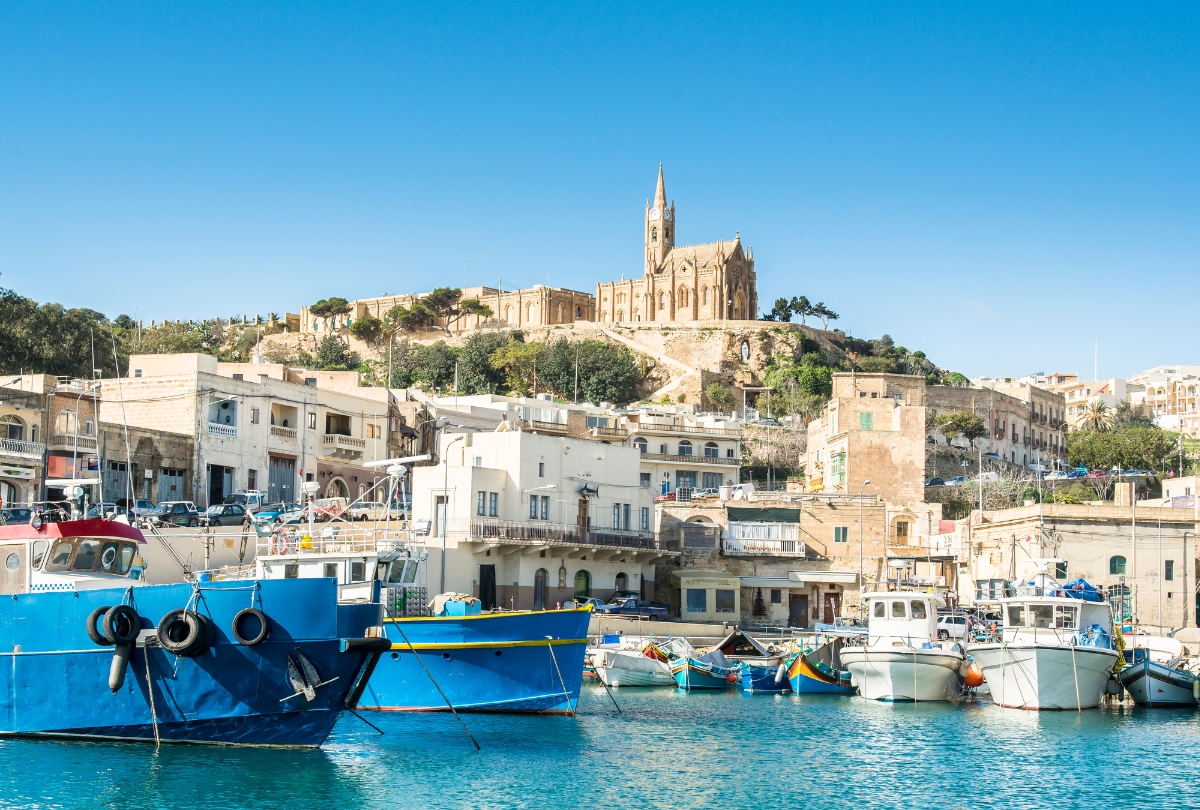
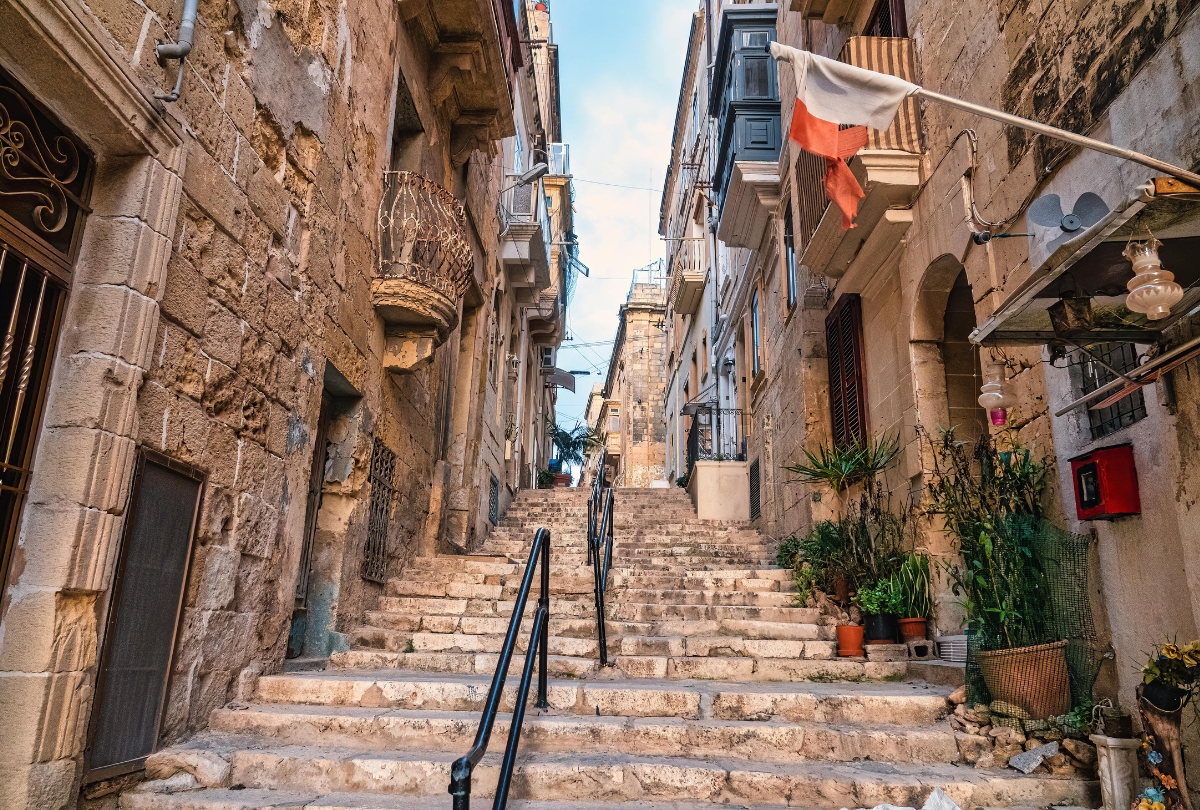
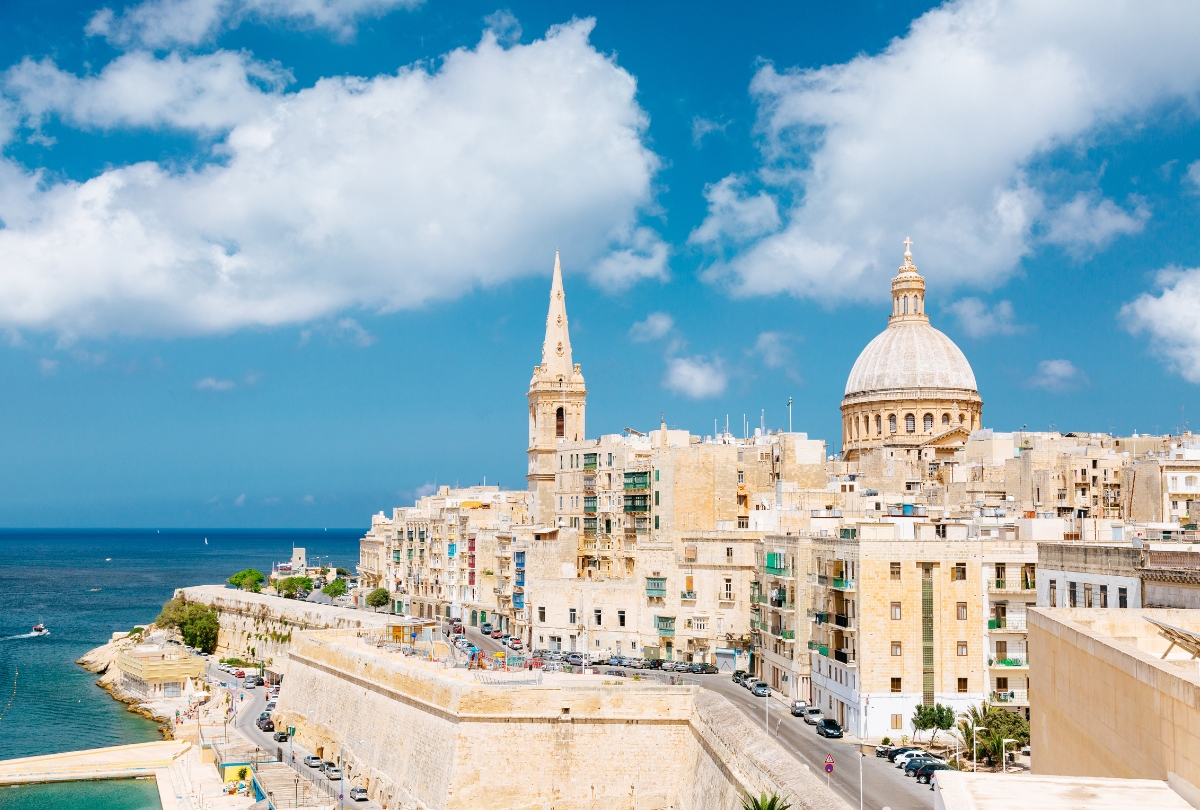
Malta delivers stability for safe living and global access within the EU.
WHY DKD GLOBAL?
DKD Global provides end-to-end confidence with Dubai-based process management.
WHY SECOND CITIZENSHIP?
Second citizenship offers families mobility freedom and long-term planning.
HOW TO GET A MALTESE PASSPORT?
OVERVIEW
The question “How to get Malta citizenship by investment?” has been widely discussed for a long time. Malta is an island country within the EU. The investment-based citizenship model was once promoted as a fast route. After 2025, the framework evolved into a different structure. This page summarizes investment amounts and basic requirements.
CURRENT STATUS AFTER 2025
The MEIN route was suspended as of April 29, 2025, and the previous flow stopped. The program’s termination was announced on July 16, 2025, and the process was closed. Therefore, applications cannot be submitted today through the same model. The new approach focuses on merit-based assessment, and the criteria have changed. Within this framework, contribution alone does not produce an outcome. The strength of real ties and contribution in the profile has become more important.
HOW MUCH INVESTMENT WAS REQUIRED IN THE PREVIOUS MODEL
In the previous model, there were two main contribution options. A €750,000 contribution was associated with a shorter residency option, aiming for speed. A €600,000 contribution was associated with a longer residency option, extending the timeline. An additional €50,000 contribution could be required per family member, increasing the total. The donation requirement was around €10,000, supporting social projects. The real estate purchase option was €700,000 or higher, preserving ownership. The rental option was €16,000 or higher per year, offering more flexibility. The real estate obligation was linked to a five-year period, maintaining continuity. These figures are now a reference to understand the past framework. The current strategy relies on a different evaluation logic.
OFFICIAL FEES AND TOTAL BUDGET
Investment amounts alone do not describe the total cost. Official fees were added as separate items. An eligibility assessment fee of €15,000 was often seen, reflecting deeper review. A residence card issuance fee was around €5,000, covering the card process. Administrative fees were exemplified around €3,000, supporting file processing. As family members were added, fees were expected to increase, expanding the budget. Therefore, the budget should be scenario-based according to family size. The source of funds is as critical as the budget.
BASIC REQUIREMENTS
The applicant had to be an adult. A clean criminal record was expected. Security checks progressed in multiple layers. The source of funds had to be proven with traceable documentation. The income and asset structure had to be presented with a consistent narrative. Profiles carrying compliance and reputation risks could be rejected. Health insurance was considered part of the residency structure. The document set had to match official records exactly. Translation and apostille errors could extend the evaluation. Misrepresentation could create a permanent refusal risk.
REQUIRED DOCUMENTS
Passport copies must be current and clearly readable. Birth records and marital status documents are required. Proof of address supports the residency structure. Bank statements strengthen the source of funds narrative. If company shares exist, corporate records are submitted. Tax returns support income consistency. Reference letters can support the file. A verification chain must be established for each document. Missing documents are the most expensive cause of delay.
HOW THE PROCESS USED TO PROGRESS
First, an eligibility analysis was conducted. Then the residency period was initiated. During residency, address and insurance continuity were monitored. After the period ended, the citizenship file was prepared. Financial verifications deepened at the final stage. If approval arrived, a naturalization certificate was issued. Then the passport stage came into play. The schedule is directly linked to document quality. The timeline should include buffers for possible additional questions.
HOW TO BUILD A STRATEGY TODAY
Malta no longer offers automatic citizenship in exchange for investment, so the strategy has changed. Therefore, the goal shifts to a merit-based route. Alternatively, residency programs can provide a starting point. Permanent residency can support a long-term citizenship objective. Which route to choose is shaped by your profile. The current framework must be verified before applying. Regulatory change directly impacts strategy.
WORKING APPROACH WITH DKD GLOBAL
The Dubai-based team applies a risk filter first. Eligibility control reduces time and cost waste. Documents are prepared consistently with source of funds and work history. Translation and verification are managed in a single flow. The file is built according to an auditable standard. Privacy and compliance are prioritized throughout the process. Changing conditions are quickly reflected in the file strategy. The goal is a sustainable and transparent application.
SHORT ANSWER FOCUSED ON KEY PHRASES
Malta citizenship requirements. How to get Malta citizenship? Malta passport power. These three phrases summarize search intent. The correct answer is to understand the current framework first. Then select the possible route. The final step is building a realistic budget and document set.